

Seasonal Travel Guide: Destinations for Every Month of the Year


Planning a trip but not sure when to go where? Timing can make or break a vacation. I love looking ahead to plan out my year of travels. Sometimes I just randomly pick a spot but more often than not I do some research about the where and the when so I can time it just right. I may pick a place to go for weather preferences, or cultural events, or sometimes scientific reasons like Iceland's total eclipse this year (see August entry).
Here's a month-by-month breakdown of some destinations at their absolute best.
January: Dubai, UAE

After the holiday chaos, Dubai hits its sweet spot. The scorching summer heat is gone, replaced by perfect 75°F days. The beaches are actually enjoyable, and wandering through souks doesn't feel like walking into an oven. Plus, the Dubai Shopping Festival is in full swing for bargain hunters.
This is peak season for a reason. The Persian Gulf is warm enough for swimming, and outdoor activities that would be miserable in summer—like desert safaris and dune bashing—become highlights. The city goes all out with events and entertainment during this month. Mornings are perfect for exploring Old Dubai and the spice markets, while evenings can be spent at rooftop bars watching the Burj Khalifa light show.
The contrast between ultra-modern skyscrapers and traditional souks is striking year-round, but January weather makes experiencing both sides comfortable. Luxury hotels offer deals post-New Year, making this expensive destination slightly more accessible. Beach clubs, water parks, and the famous Friday brunches are all infinitely more pleasant when it's not blazing hot outside.
February: Japan (Hokkaido)

While cherry blossoms get all the hype, February in Hokkaido offers something more magical—the Sapporo Snow Festival. Massive ice sculptures take over the city, some reaching several stories high with intricate designs that artists spend weeks creating. The powder snow is legendary among skiers and snowboarders, with resorts like Niseko drawing enthusiasts from around the world.
Hot springs (onsen) feel extra luxurious when there's snow all around. Picture soaking in naturally heated mineral water while snowflakes drift down and accumulate on the rocks around you. It's a quintessential Japanese winter experience. The food scene in Hokkaido is incredible—this is where some of Japan's best seafood, ramen, and dairy products come from. Soup curry, a Sapporo specialty, hits different when it's freezing outside.
Winter festivals pop up throughout the region, with illuminations and ice lanterns creating fairytale atmospheres in small towns. Wildlife watching is also prime—drift ice arrives along the coast, and you might spot sea eagles or the adorable ice seals. The crowds are manageable compared to spring and fall, and accommodations are easier to book outside Sapporo festival week.
March: Morocco

March is when Morocco becomes perfect. Not too hot, not too cold. The Atlas Mountains still have snow-capped peaks while coastal cities like Marrakech and Fes are warm and blooming. The crowds haven't arrived yet, and wandering through the medinas feels more authentic.
The souks of Marrakech are intoxicating—spices, leather goods, lanterns, and carpets pile high while vendors call out. Jemaa el-Fnaa square comes alive at sunset with food stalls, snake charmers, and storytellers. But March's mild weather means exploring these bustling spaces doesn't leave you drenched in sweat. The riads (traditional houses converted to guesthouses) are perfect retreats with their cool courtyards and rooftop terraces.
Day trips to the Sahara are comfortable, and watching sunrise over the dunes from a desert camp is unforgettable. The coastal town of Essaouira offers beach vibes and fresh seafood, while the blue-washed streets of Chefchaouen are incredibly photogenic. Hiking in the Atlas Mountains is prime—wildflowers start blooming, and Berber villages welcome trekkers with mint tea and hospitality. Morocco's blend of Arab, Berber, and French influences creates a fascinating cultural mix that's easiest to appreciate when the weather cooperates.
April: Netherlands

Tulip season is no joke. The Keukenhof Gardens explode with color—over seven million bulbs creating a living rainbow that's almost overwhelming. Biking through fields of flowers is exactly as picturesque as it sounds. Amsterdam is lovely before the summer tourist madness, and the whole country seems to celebrate spring with outdoor cafes opening up everywhere.
King's Day (April 27th) turns the entire country orange as everyone celebrates the monarch's birthday with street parties, flea markets, and canal parties in Amsterdam. The energy is infectious. Beyond the capital, cities like Utrecht, Haarlem, and Leiden offer canal charm without the crowds. Cycling is the way to explore—the country is completely flat with dedicated bike paths connecting everything.
The weather is variable (pack layers), but when the sun comes out, everyone floods to terrace cafes for drinks and people-watching. Cheese markets in towns like Alkmaar and Gouda are touristy but fun, showcasing wheels of cheese being traded in traditional ways. Art lovers can explore Van Gogh, Rembrandt, and Vermeer without fighting through summer crowds. Spring in the Netherlands feels optimistic and energetic, with locals emerging from winter ready to embrace outdoor life again.
May: Patagonia (Argentina/Chile)

The shoulder season in Patagonia means fewer tourists but still great weather for hiking. The fall colors are stunning—golden yellows and burnt oranges contrast with the stark mountain peaks and turquoise lakes. Wildlife is active, and the famous winds that batter the region are often calmer than in summer.
Torres del Paine National Park in Chile offers some of the world's most dramatic landscapes. The iconic granite towers, glaciers, and emerald lakes are accessible via well-maintained trails. The W Trek is famous for good reason, but day hikes work too for those not ready for multi-day camping. On the Argentine side, Los Glaciares National Park features the impressive Perito Moreno Glacier, one of the few glaciers in the world still advancing. Standing on the viewing platforms as chunks of ice calve off and crash into the water is humbling.
El Chaltén is a hiker's paradise with trails leading to mountain lakes and viewpoints. The town itself is small and laid-back, with cozy restaurants serving huge steaks and local beer. Wildlife spotting includes guanacos (wild relatives of llamas), Andean condors, and if lucky, pumas. The remoteness of Patagonia adds to its appeal—towns are few and far between, and the landscapes feel ancient and untouched. May's shoulder season pricing makes this expensive destination slightly more affordable while still delivering incredible experiences.
June: Norway

Welcome to midnight sun territory. Norway in June means endless daylight—literally. In the far north, the sun doesn't set at all. The fjords are at their greenest, waterfalls are raging from snowmelt, and hiking and biking trails are accessible. Bergen, the Lofoten Islands, and the Arctic Circle all hit differently when the sun barely sets.
The fjords are Norway's signature attraction. Geirangerfjord and Nærøyfjord offer steep cliffs plunging into deep blue water, with waterfalls cascading down and tiny farms perched impossibly on mountainsides. Cruising through them or kayaking offers perspectives that photos can't capture. Bergen, the gateway city, is charming with its colorful wooden houses and excellent seafood markets.
The Lofoten Islands are surreal in June—jagged peaks rise from the sea, fishing villages cling to rocky shores, and the midnight sun creates golden-hour lighting at 2 AM. Hiking, fishing, and photography opportunities are endless. Further north, Tromsø offers whale watching, and the surrounding Arctic wilderness is pristine. Norway's nature is raw and powerful, and June's weather makes experiencing it manageable. The endless daylight feels disorienting at first but allows for flexible exploring—start a hike at 8 PM if the mood strikes. Just bring blackout curtains for sleeping.
July: Kenya

The Great Migration reaches the Maasai Mara, and it's one of nature's most intense spectacles. Millions of wildebeest and zebras cross crocodile-filled rivers while predators lurk nearby. July offers prime game viewing with dry conditions making animals easier to spot around water sources.
Safari lodges and camps in the Mara range from luxury tented camps with gourmet meals to more budget-friendly options, but all offer incredible wildlife access. Morning and evening game drives reveal lions, leopards, elephants, giraffes, and countless other species. The river crossings are dramatic and unpredictable—herds gather on the banks, hesitating before plunging in while crocodiles wait. It's intense, raw, and unforgettable.

Beyond the Mara, Kenya offers diversity. Amboseli National Park provides views of elephants against Mount Kilimanjaro's backdrop. The coast around Mombasa and Diani Beach offers Indian Ocean relaxation—white sand beaches and coral reefs for snorkeling. Nairobi itself is worth exploring, with excellent restaurants, the giraffe center where endangered Rothschild giraffes accept treats, and the sobering but important elephant orphanage.
Kenyan culture is warm and welcoming. Meeting Maasai communities (through responsible tourism operations) provides insight into traditional lifestyles. The food scene mixes African staples like ugali and nyama choma with coastal Swahili influences and Indian flavors. July's weather is dry and pleasant, making both safari and beach components of a trip comfortable.
August: Iceland
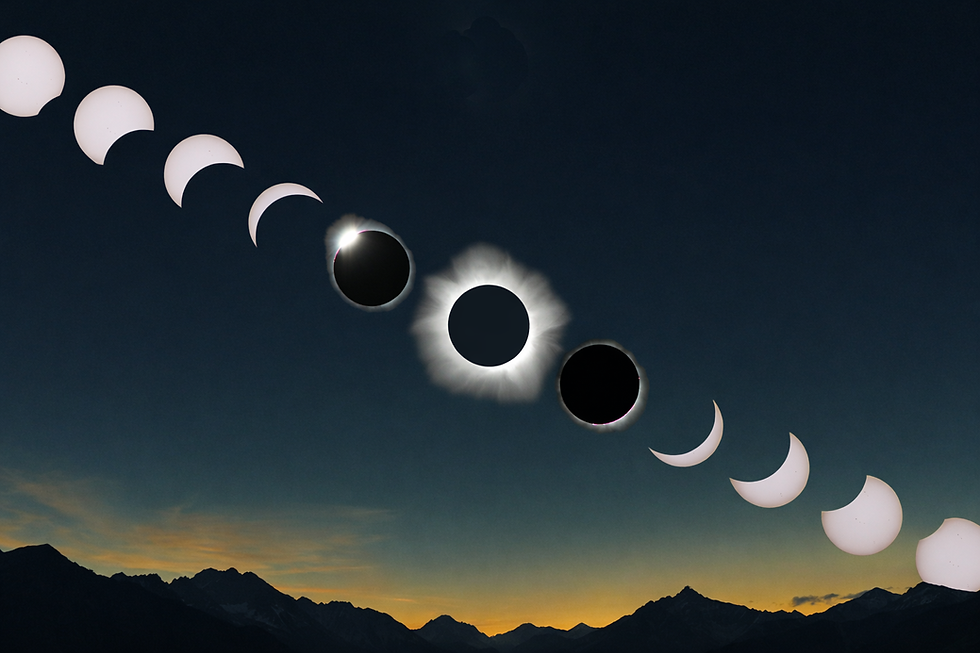
This year, August in Iceland offers something truly extraordinary—a total solar eclipse on August 12th. The path of totality crosses Iceland, creating a once-in-a-lifetime celestial event against the country's otherworldly landscapes. Watching the moon completely block the sun while standing on black sand beaches or near glaciers will be unforgettable.
Beyond the eclipse, August still delivers classic Iceland experiences. Peak summer means roads are fully open, highland routes are accessible, and the weather is as mild as Iceland gets (which is relative—still pack warm layers). Lupine flowers blanket the countryside in purple, creating Instagram-worthy scenes everywhere. The 20-hour daylight means more time to explore everything, though eclipse chasers will appreciate the returning darkness.
The Golden Circle hits the highlights—Þingvellir National Park where tectonic plates meet, Geysir's erupting hot springs, and powerful Gullfoss waterfall. But venturing beyond the tourist trail reveals hidden gems. The Westfjords offer dramatic cliffs, remote fishing villages, and some of Europe's largest bird colonies. The East Fjords have fewer visitors but equally stunning landscapes.

Reykjavik is quirky and artsy with excellent restaurants serving creative takes on Icelandic ingredients like lamb, fish, and skyr. The nightlife is surprisingly vibrant, especially during summer when the city barely gets dark. Glacier hikes, ice cave tours, and snorkeling between continents in crystal-clear water are all possible. The Blue Lagoon is touristy but relaxing after days of exploring.
Iceland's volcanic landscape feels otherworldly—black sand beaches, steaming geothermal areas, and moss-covered lava fields create a landscape unlike anywhere else. This August, with the added spectacle of a total solar eclipse, Iceland transforms from amazing to absolutely unmissable. Book accommodations early—eclipse chasers from around the world will descend on the island, and the best viewing spots will fill up fast.
September: South Korea

Fall foliage, comfortable temperatures, and harvest season make September ideal. The summer humidity is gone, but it's not cold yet. Hiking in national parks like Seoraksan showcases incredible autumn colors starting at higher elevations, and the food scene is at its peak with seasonal ingredients everywhere.
Seoul blends modern and traditional seamlessly. Sleek skyscrapers and K-pop culture (my daughter is crazy about the Demon Hunters movie) exist alongside ancient palaces and traditional hanok villages. The street food scene is incredible—tteokbokki (spicy rice cakes), Korean fried chicken, and endless variations of barbecue. Neighborhoods each have distinct vibes, from trendy Gangnam to artistic Hongdae to traditional Insadong.
The Korean countryside is underrated. Temples tucked into mountains offer peaceful retreats and temple stay programs for deeper immersion. The DMZ tours provide sobering looks at the Korean War's ongoing legacy. Coastal cities like Busan offer beaches, seafood markets, and a more laid-back pace than Seoul. Jeju Island, Korea's Hawaii, features volcanic landscapes, beaches, and unique local culture.
September means Chuseok (Korean Thanksgiving) might occur, offering glimpses of traditional celebrations though many businesses close. The fall harvest brings seasonal foods like persimmons and chestnuts to markets. Korea's cafe culture is next-level—elaborate themed cafes serve beautiful desserts and drinks. The combination of ancient traditions, cutting-edge technology, delicious food, and stunning nature makes Korea fascinating, and September's weather makes exploring it all pleasant.
October: Peru

Dry season meets shoulder season. Machu Picchu is less crowded than the peak June-August window, but weather is still excellent. The Sacred Valley is gorgeous, and trekking the Inca Trail or alternatives like Salkantay is comfortable. Plus, festival season brings cultural celebrations across the country.
Machu Picchu lives up to the hype. The ancient Inca citadel perched on a mountain ridge is breathtaking, especially if arriving via the Sun Gate after hiking. But Peru offers so much beyond this famous site. Cusco itself is beautiful with colonial architecture built on Inca foundations, lively plazas, and incredible food. The Sacred Valley towns like Ollantaytambo and Pisac have impressive ruins and authentic markets.
Lima's food scene rivals any in the world—ceviche, anticuchos, and innovative restaurants pushing boundaries. The coastal city has great museums and the clifftop Miraflores district with ocean views. The Amazon basin offers completely different experiences—jungle lodges near Puerto Maldonado or Iquitos provide wildlife encounters and indigenous community visits.
Lake Titicaca on the Bolivia border is stunningly blue at high altitude, with unique floating reed islands and traditional communities. The Nazca Lines, Arequipa's white colonial architecture, and Huacachina's desert oasis all add diversity. October's weather is reliable across most regions, and the tourism infrastructure is excellent after peak season shakes out any kinks. Peru's combination of ancient history, diverse landscapes, and incredible cuisine creates trip memories that last forever.
November: New Zealand

Spring is in full swing in the Southern Hemisphere, and New Zealand is coming alive. The weather is warming up but not yet peak summer hot, wildflowers are blooming, and lambs dot the hillsides. The shoulder season means fewer crowds at major attractions but all the natural beauty fully accessible.
The South Island's landscapes are ridiculously photogenic. Milford Sound's fjord is stunning even in rain (which is frequent), with waterfalls multiplying during wet weather. Queenstown offers adventure activities—bungee jumping was invented here—plus excellent wineries and restaurants. The drive to Glenorchy showcases turquoise lakes and snow-capped peaks that played starring roles in Lord of the Rings films.
Abel Tasman National Park's golden beaches and coastal walking tracks are perfect in November's mild weather. The Franz Josef and Fox Glaciers offer the rare chance to see glaciers descending into temperate rainforests. Mount Cook, New Zealand's highest peak, provides serious hiking opportunities against dramatic alpine scenery.
The North Island shouldn't be overlooked. Rotorua's geothermal areas bubble and steam, and Māori cultural experiences provide insight into indigenous heritage. The Tongariro Alpine Crossing, one of the world's best day hikes, traverses volcanic landscapes with emerald lakes and active craters. Wellington, the capital, is artsy and compact with excellent museums and a thriving coffee culture.
New Zealanders (Kiwis) are famously friendly and laid-back. The country feels safe and well-organized, making it great for road tripping. November's spring weather means everything is green and fresh, prices are lower than December-February peak season, and the energy feels optimistic as summer approaches. Whether seeking adventure, nature, culture, or relaxation, New Zealand delivers.
December: Finland

December in Finland is pure Christmas magic, especially in Lapland. Rovaniemi, the official hometown of Santa Claus, transforms into a winter wonderland. The Santa Claus Village sits right on the Arctic Circle—visitors can meet Santa year-round, but December is when it feels most special. Kids can deliver letters to Santa's post office, cross the Arctic Circle line marked on the ground, and experience the enchantment of snow-covered forests lit by twinkling lights.
But Finland in December offers far more than Christmas kitsch. This is prime northern lights season. The aurora borealis dances across the sky in waves of green, purple, and sometimes red. Glass igloos and wilderness lodges provide comfortable viewing—lying in a warm bed while watching the lights swirl overhead is surreal. Many accommodations offer wake-up calls if auroras appear during the night.

Winter activities abound. Husky sledding through silent snowy forests is magical, with excited dogs pulling sleds across frozen landscapes. Reindeer sleigh rides are slower-paced and traditionally Sami. Snowmobiling, cross-country skiing, and snowshoeing all take advantage of Lapland's pristine wilderness. Ice swimming followed by sauna is a Finnish tradition—the contrast is invigorating and weirdly addictive.
The darkness is extreme this far north—December brings only a few hours of twilight in Lapland—but it's part of the experience. The blue hour lighting creates ethereal atmospheres, and when auroras or Christmas lights illuminate the snow, it feels otherworldly. Finnish cuisine surprises many—salmon soup, reindeer stew, and lingonberries feature heavily, plus excellent pastries and coffee.

Helsinki, the capital, is worth visiting too. Christmas markets fill Senate Square with local crafts, warm drinks, and festive atmosphere. The city's design district showcases Nordic aesthetics, and the rock church carved into solid granite is architecturally stunning. Finns embrace hygge-like coziness (they call it being "kalsarikänni" when done right), making winter feel like an experience to savor rather than endure. December in Finland requires embracing the cold and darkness, but the rewards—authentic winter magic, aurora viewing, and unique cultural experiences—make it unforgettable.

Conclusion and Some Other Destinations
The key to great travel isn't just where you go—it's when. Each destination has its moment when weather, crowds, natural events, and local culture align perfectly. Hitting that sweet spot transforms a good trip into an incredible one. This is just a sampling of some destinations but there are countless options. Larch valley in Alberta, Canada offers some stunning autumn foliage. Walk through the 1000 year old cedar trees on Yakushima Island, Japan in the spring. Stroll the designated wellness trails of Germany's famous black forest in summer. Or maybe take in the inaugural F1 Grand Prix race in Madrid, Spain in September. The possibilities are endless and only need your imagination to bring it to life. So get out that calendar and start planning. I know I am!


Comments